
Polyphonic goes beyond language. It is even polyphonic in its theatrical language
— Nick Fangzheng Wang
Playwright/ Lead Artist of Polyphonic: Human Acts
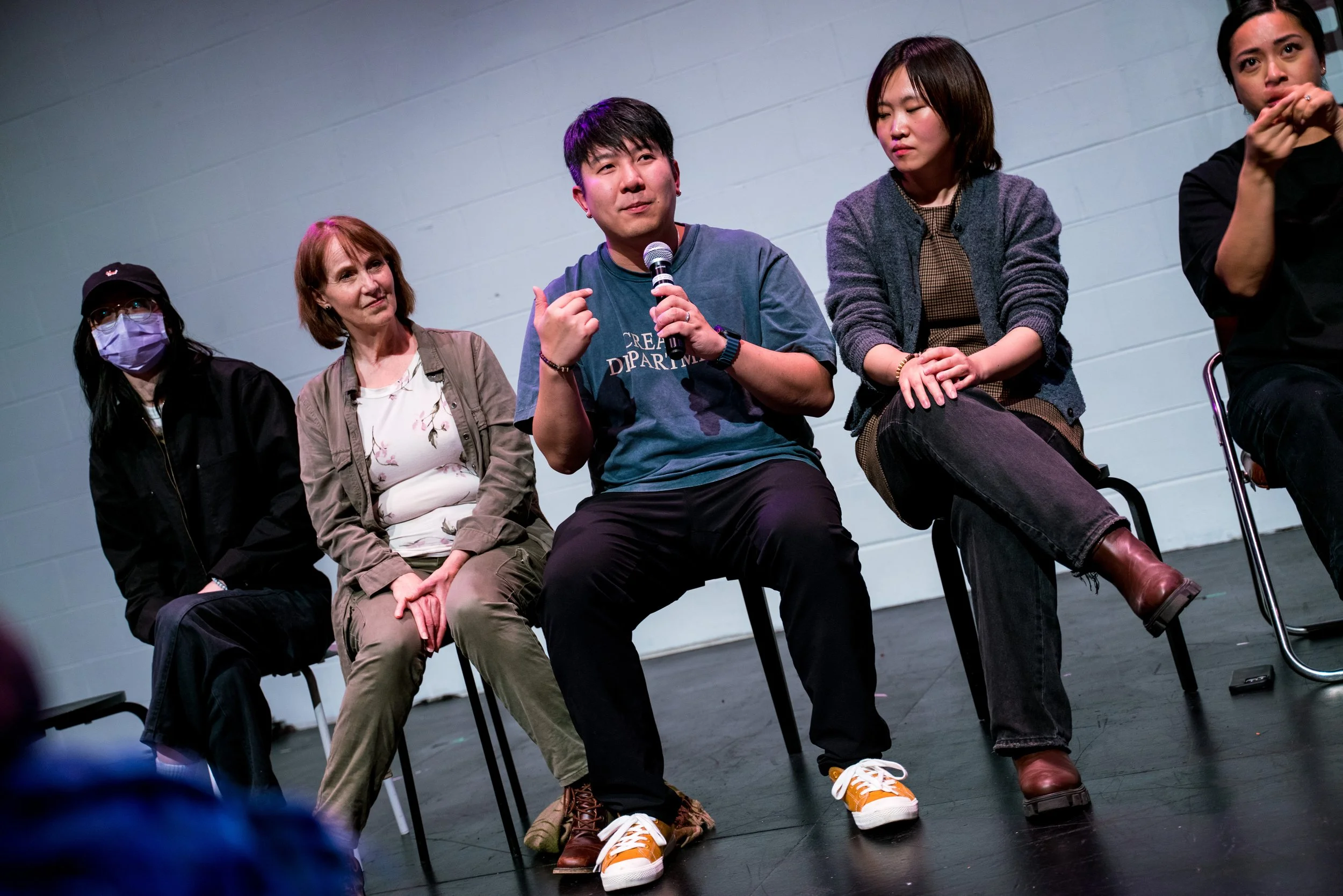
“The emotional resonance we witnessed, along with the feedback we received throughout the process, helped us better understand the urgency and necessity of this work.”
Q: What is the general vibe working with rice & beans theatre?
Curious, challenging, and always pushing toward new ideas and creative possibilities. It feels like there are endless choices. The overall vibe is relaxed, and everyone is incredibly nice.
Q: What is one new thing you tried, discovered, or figured out about your artistic practice while you were here?
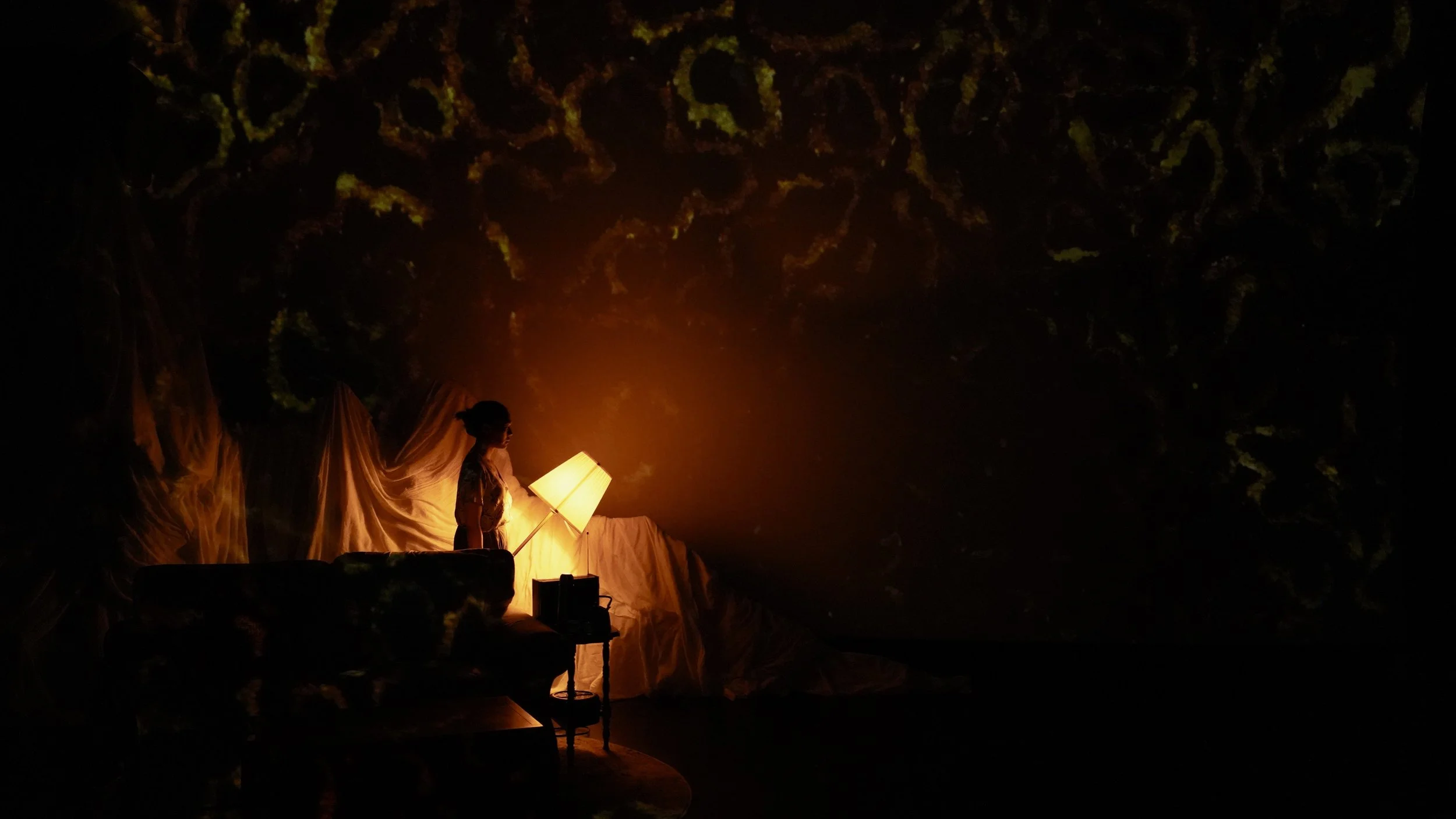
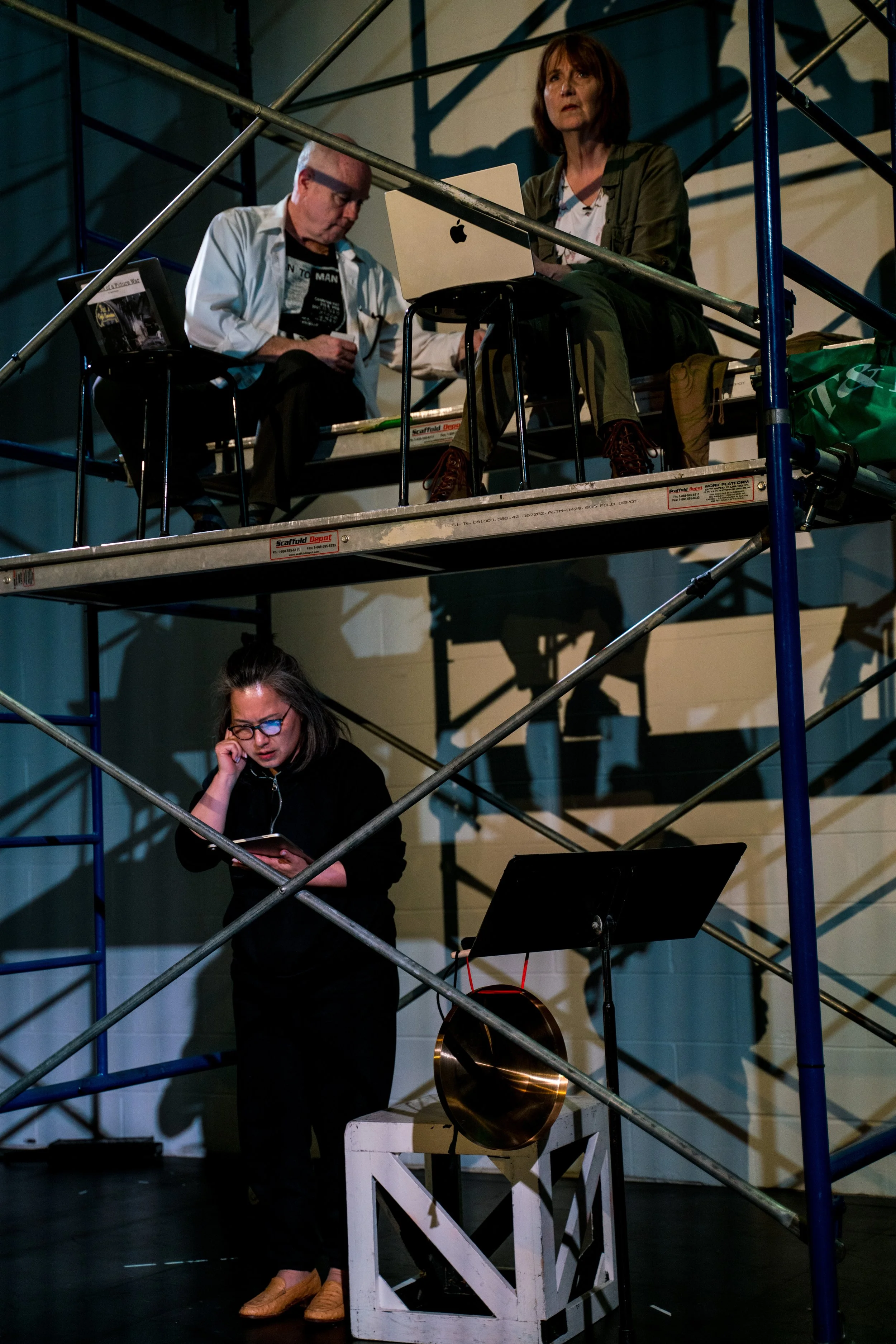
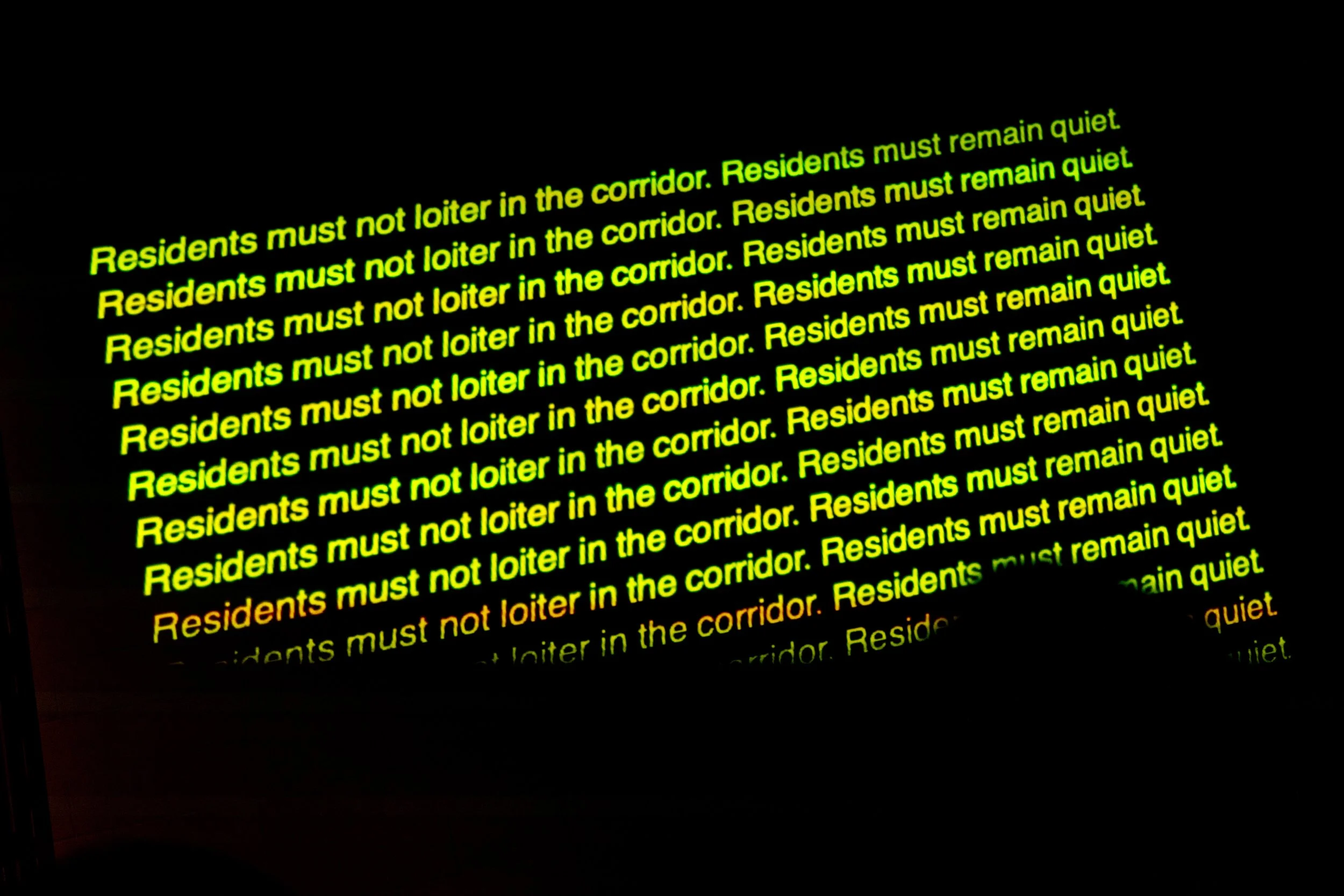
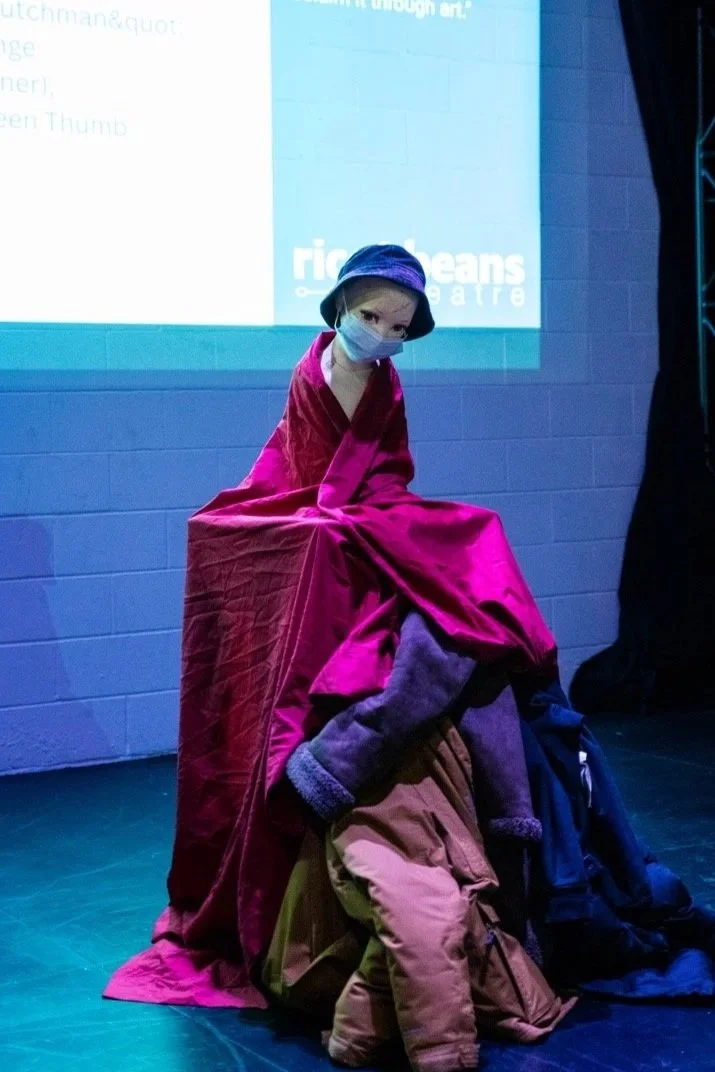
As the director, I discovered how the effects of isolation could be staged through a vertical spatial structure, and how visual elements could help construct a theatrical world capable of confronting moments of violence. Throughout the process, we kept asking why frightening and sensational acts (moments) should be represented onstage, and why theatre should become a place where audiences witness disaster. Although we are still searching for answers, this experience made me more certain that disaster is not brought to the stage simply to be recreated. Instead, theatre can build a structure that holds the audience within it.... a structure that allows us to examine the texture of disaster closely and investigate its origins. Exploring how such a structure can be created has become an important artistic question for me as a director.
“The program has the capacity to hold more than multilingual work; it also embraces a polyphony of genres, forms, and aesthetics.”
Q: How did this program help your specific project take its next big step forward?
Having the ability and resources to visualize a play onstage—even if only through a brief glimpse—is a privilege, and one that we deeply cherish. Our project challenges not only the theatrical text itself, but also the limits of what multilingual work can communicate onstage. Polyphonic gave us the opportunity to bring urgent material into theatrical space and share our vision directly with an audience. The feedback we got and the strong emotional resonance we received helped us understand the importance of this play: it creates space for stories and memories that are rapidly falling into silence. In short, the program validated many of our artistic ideas and showed us that the project can connect meaningfully with audiences. It gave us the courage, practical experience, and creative MOMENTUM needed to continue developing the work and take its next major step forward!!
Q: What was the most enjoyable part/ moment of the residency?
Collaborating with the artists in Vancouver was the most enjoyable part of the experience for me.
Q: What would you say to artists who may be interested in applying to this program in the future?
Polyphonic goes beyond language. It is even polyphonic in its theatrical language. The program has the capacity to hold more than multilingual work; it also embraces a polyphony of genres, forms, and aesthetics. Here, your work will be challenged and pushed toward places you may never have imagined, or dared to imagine before.
My only regret is not buying a rice & beans theatre alumni hoodie!!!